How to Identify Fake UW44 Websites and Protect Your Account
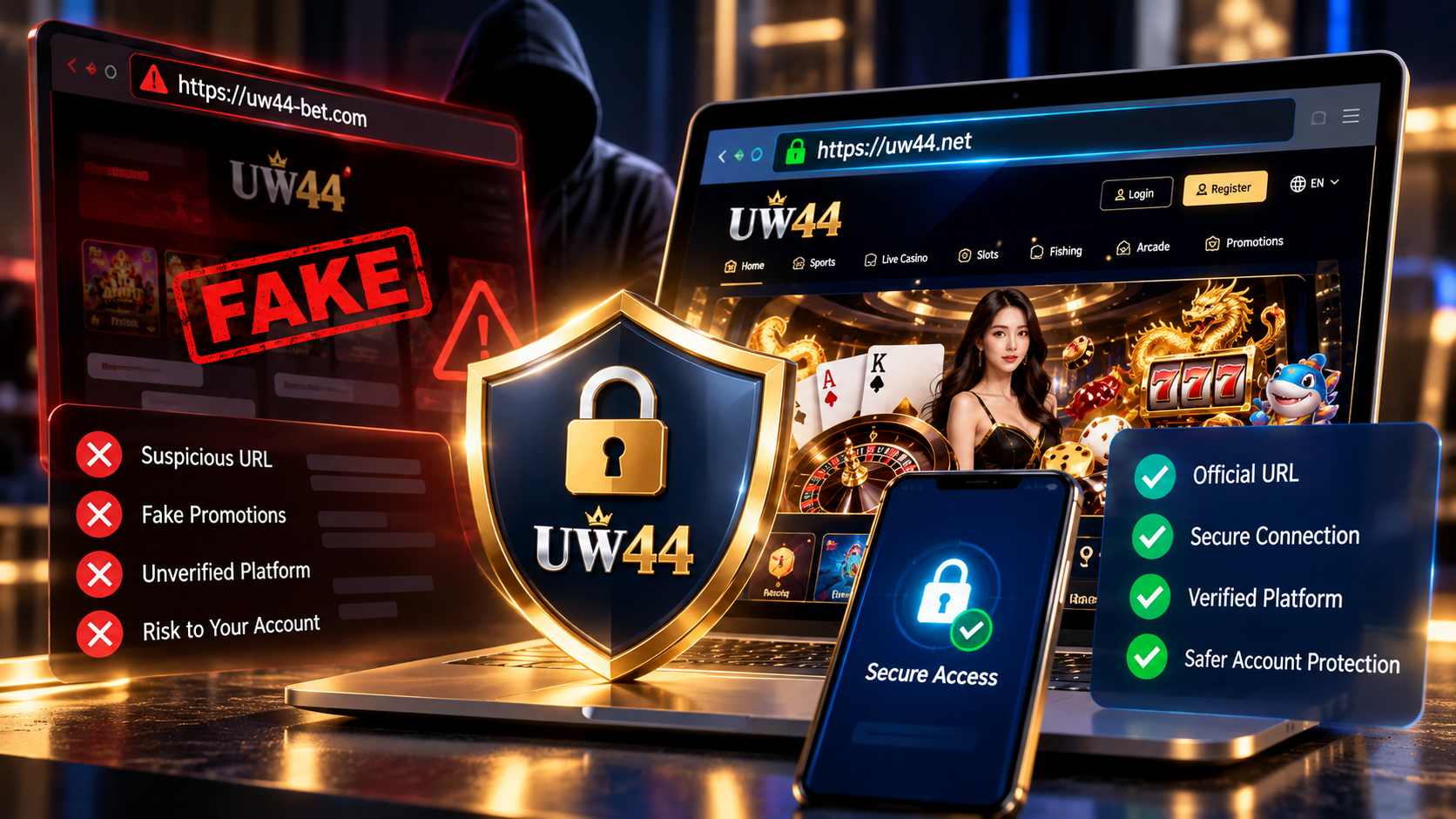
A website can look professional, display a familiar logo and still be designed to steal personal information.
Fake websites often imitate legitimate brands to encourage visitors to enter passwords, provide sensitive details or follow misleading payment instructions.
If you are trying to identify a fake UW44 website, the most useful starting point is to examine the website address, the way you reached the page and the information it requests.
Start by Checking the Website Address
The UW44 homepage address provided for this website is https://uw44.net/.
Before entering any account details, check that the address matches the website you intended to visit.
A suspicious domain may use extra words, unusual spelling or characters that resemble those in the genuine address. A website name that looks almost identical at first glance may lead to a completely different domain.
Do not assume that a familiar logo proves a website is authentic.
Five Warning Signs of a Suspicious UW44 Website
1. Unexpected Login Requests
Be cautious when a message asks you to sign in immediately through an unfamiliar link.
A phishing page may copy the appearance of an account login form to collect usernames and passwords. For account access, start from the official website and navigate to the UW44 Login page rather than trusting an unexpected message.
2. Requests for Verification Codes
One-time passwords and account verification codes should not be shared with strangers. A person who asks you to send a verification code may be attempting to access your account.
3. Unverified Payment Instructions
A suspicious website or message may ask visitors to transfer money to an unfamiliar recipient. Never assume that payment instructions are genuine simply because they include a brand name or logo.
4. Pressure to Act Immediately
Scammers often use urgency to discourage careful checking. Messages claiming that an account will be permanently closed unless you respond immediately deserve additional scrutiny.
5. Missing or Inconsistent Website Information
Look for inconsistent domain names, broken navigation, unclear contact information and policies that do not match the website's claims.
These signs do not automatically prove fraud, but they are reasons to investigate further.
Does HTTPS Mean a Website Is Safe?
No.
HTTPS indicates that a connection is encrypted. It does not establish that the website operator is trustworthy.
Fraudulent websites can also use HTTPS certificates. The domain, website behaviour and source of the link still need to be checked.
What Should You Do if You Find a Suspicious UW44 Link?
If a website appears suspicious, avoid entering personal information or making payments.
- Close the suspicious page.
- Open the known website address directly rather than following the original link.
- Avoid downloading files or applications from the suspicious source.
- If you entered a password, change it through the genuine account service when available.
- Contact your bank or payment provider promptly if financial information or funds may have been compromised.
If you have shared sensitive credentials, consider securing any other accounts that use the same password.
Be Careful With Promotional Messages
Fake promotions are another way scammers attract attention.
An unexpected message may advertise a large bonus or claim that an offer will expire within minutes.
Before trusting such a claim, check whether it appears on the official UW44 Promotions page. Do not assume that an offer is genuine simply because it uses the UW44 name.
Frequently Asked Questions
How can I identify the official UW44 website?
Start with the known homepage address, https://uw44.net/, and verify that the domain matches before entering information.
Can a fake website have the UW44 logo?
Yes. Logos and website designs can be copied, so appearance alone is not reliable proof of authenticity.
Is a website safe if it has a padlock symbol?
Not necessarily. HTTPS encrypts the connection but does not guarantee that the website itself is legitimate.
What if I entered my password on a suspicious website?
Change the password through the genuine account service if available. Also secure other accounts that use the same credentials.
Should I trust UW44 links shared through messaging apps?
Treat unexpected links cautiously. Verify the destination independently before entering account details or making payments.
Final Thoughts
Recognising a fake UW44 website is largely about checking the details that are easy to overlook.
A familiar design, attractive promotion or urgent message should never replace verification of the website address and its instructions.
Taking a few moments to check the source can help protect your personal information and reduce the risk of account or payment fraud.